Tokyo is the city that converts casual travelers into lifetime points enthusiasts. It is where you stay in a Park Hyatt suite overlooking the Shinjuku skyline for 35,000 points per night — a room costing $800 in cash — eat the best ramen of your life in a basement shop for $14, and ride the world’s most punctual train network between neighborhoods that feel like entirely different cities. If you are going to commit serious points toward one destination, Tokyo makes a compelling case. This guide covers every angle: how to get there on award tickets, where to stay on points, when to go, and how to spend your time across the city’s remarkable neighborhoods.
Getting to Tokyo: The Best Award Options
ANA Business Class — the Gold Standard
All Nippon Airways operates what many frequent flyers consider the finest business class product in the world on its Boeing 777 and 787 routes from the US to Tokyo Haneda and Narita. The product features fully lie-flat suites, a pillow menu, chef-designed meals with premium Japanese and Western options, and the attentive anticipatory service that Japanese hospitality is known for globally. Landing at Haneda after a peaceful night in an ANA suite is the best possible way to begin a Japan trip.
ANA awards are bookable through Virgin Atlantic Flying Club at 95,000 miles round trip from the US West Coast, and through United MileagePlus at 88,000 miles round trip. Virgin points transfer from Amex, Chase, Capital One, Citi, and Marriott. United miles transfer from Chase exclusively. Award space on ANA releases 355 days in advance — search on the first day dates open and you will find availability. Waiting until six months out means accepting whatever remains.
Japan Airlines Business Class
JAL’s Business Class Sky Suite is a strong competitor to ANA with similar service standards and cuisine quality. JAL awards are bookable through American Airlines AAdvantage at 62,500 miles round trip from the West Coast in business class — one of the better-kept sweet spots in the transatlantic world. AAdvantage miles transfer from Citi ThankYou Points and Marriott Bonvoy.
Economy Awards for Budget-Conscious Travelers
Economy award space to Japan is more abundant and more forgiving on dates. United MileagePlus prices saver economy at 35,000 miles round trip. Korean Air SkyPass is often available at 35,000 miles round trip on Korean Air metal with a Seoul connection. For travelers whose priority is time on the ground rather than premium cabin experiences, economy awards to Japan represent outstanding value per point.
Where to Stay in Tokyo on Points
Park Hyatt Tokyo — Category 7 at 35,000 Points
If you have 35,000 World of Hyatt points and have never stayed at a Park Hyatt, Tokyo is the place to spend them. The hotel occupies floors 39 through 52 of the Park Tower in Shinjuku — every room has city views that make the standard category feel like a suite elsewhere. The library lounge on the 41st floor, the indoor pool on the 47th floor, and the New York Bar and Grill on the 52nd floor are all legendary. Book standard rooms at 35,000 points per night. Club rooms are available for a modest points premium with all-day food and beverage service in the lounge.
Andaz Tokyo Toranomon Hills — Category 5 at 20,000 Points
The Andaz Tokyo is a strikingly designed hotel in the Toranomon Hills development with an open-lobby concept, rooftop bar, and modern Japanese aesthetic. At Category 5, it delivers excellent value for travelers who want distinctive design and a central location without the Park Hyatt price point.
Hilton Tokyo — Solid Value in Shinjuku
The Hilton Tokyo is a reliable choice for Hilton Honors members, located in Shinjuku walking distance from the Golden Gai bar district. Standard rooms run 40,000 to 60,000 Hilton points per night depending on dates — acceptable for Hilton loyalists with large balances from Amex Hilton cards.
Tokyo by Neighborhood
Shinjuku is controlled chaos — neon, izakayas, department stores, and Kabukicho at night. The Tokyo Metropolitan Government Building offers free observation decks. The Golden Gai district, a cluster of tiny bars seating six to eight people each, is one of Tokyo’s greatest social institutions and should not be missed.
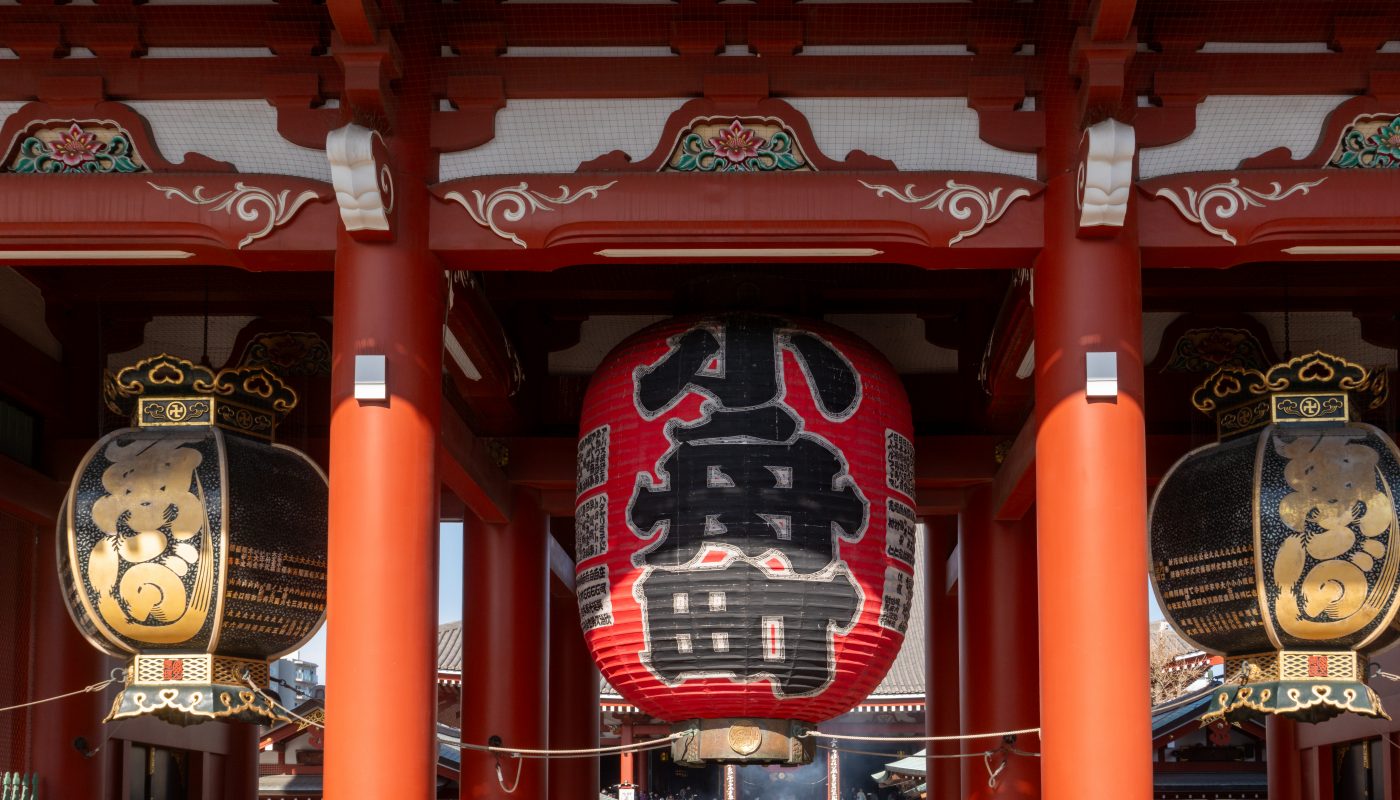
Asakusa is old Tokyo — the Senso-ji temple complex, rickshaw operators, traditional craft shops, and the Nakamise shopping street. Arrive before 8am to experience the temple without crowds. The nearby Tokyo Skytree offers observation decks with views to Mount Fuji on clear days.
Shibuya is the crossroads of modern Japan — the scramble crossing, department stores, and the best people-watching in Asia. The Shibuya Sky observation deck above Shibuya Scramble Square offers 360-degree outdoor views from 230 meters and is worth every yen of the admission price.
Yanaka survived the earthquakes and firebombing that destroyed much of Tokyo — a historic cemetery, craft shops, a covered shopping street, and cats everywhere. It is the antidote to sensory overload and worth an afternoon when the rest of the city becomes overwhelming.
Day Trips Worth Taking
Tokyo’s position on the Shinkansen network makes day trips viable. Kyoto is two hours 15 minutes from Tokyo Station on the Nozomi — its temple districts, bamboo groves, and geisha neighborhoods are among Japan’s most photographed. Hakone, 85 minutes from Shinjuku on the Romancecar, offers onsen experiences, Mount Fuji views from Lake Ashi, and an open-air sculpture museum that makes the trip worthwhile even in cloudy weather. Nikko, 90 minutes by direct limited express, houses the ornate Tosho-gu shrine complex set in a cedar forest that is among the most spectacular religious sites in Asia.
When to Go
Cherry blossom season in late March to mid-April is Japan at its most magical and most crowded. Book award nights 11 months in advance if targeting this window. Autumn foliage from mid-November to early December offers similar beauty with lighter crowds and cooler temperatures perfect for walking. Winter is cold but clear, with the lowest hotel cash rates of the year and the best Mount Fuji visibility from both the city and surrounding areas. Summer is hot and humid but matsuri festival season brings Japan’s street culture to life in ways that no other season matches.